A Shed Is Not a Store Cupboard: Six Things to Carry Back to the House
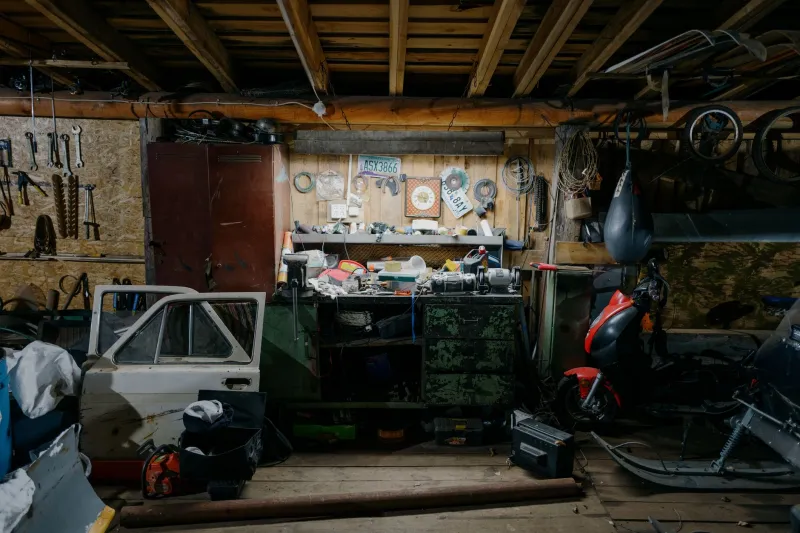
There is a moment in every British garden when the shed stops being a workshop and becomes a holding pen for things nobody wants in the house. Half a tin of fence paint. A box of old school reports. The petrol can for the mower. It feels sensible at the time. Then winter arrives, the door swells, and by spring the contents smell like a damp cellar.
This is not a tidy-up lecture. A shed is allowed to be useful, scruffy and full of odds and ends. But a timber shed in the UK is a breathing box, not a sealed cupboard. It takes in moisture on mild days, cools sharply at night, and swings through freeze-thaw cycles that quietly ruin some materials and make others genuinely unsafe. The six things below are the ones I would carry back to the house, along with practical alternatives that suit a normal British garden.
Paint, varnish and half-used tins of wood stain
A shed seems like the natural home for paint. It is not. Water-based paints can split and go lumpy after a cold snap. Solvent-based products skin over, tins rust from the outside in, and fumes can build up in a small space with poor ventilation. If the shed also houses a mower, a charger or anything that can spark, that is a fire risk you do not need.
Keep only the small quantity you genuinely need for touch-ups. Put the tin in a sealed lidded box, label it with the date and room, and store it in a frost-free cupboard, utility room or garage that stays dry. Old tins, dried-out brushes and mystery chemicals should go to your local household waste recycling centre, not the back shelf of the shed for another decade.
Gas cylinders and petrol cans
This is the one I would not negotiate on. BBQ gas bottles, camping stove canisters and petrol cans are common shed residents, especially from late spring onwards. But sheds are often close to the house, the fence and the back door. A leaking cylinder in a closed space is a serious risk, and petrol fumes are worse.
Store LPG cylinders upright, outdoors, secured and away from drains, doors, windows and ignition sources, following the supplier's instructions. Petrol should live in an approved container, never in the house or a hot shed, and should be used fresh rather than hoarded. If you only need a litre for the strimmer, buy a litre. Do not turn the shed into a fuel depot because the mower takes up space.
Paperwork, books and cardboard
Damp paper does not just go crinkly. It grows mould, attracts silverfish and makes a lovely nest for mice. Cardboard is worse: it drinks moisture from the air and then holds it against whatever is stacked beside it. A shed full of cardboard boxes is basically a pest hotel with a roof.
Move documents, photographs and books indoors. Scan the things you rarely need, keep the rest in a dry cupboard or archive box in the house, and recycle cardboard promptly rather than using it as shelf lining. If you must keep a few paper items outside, use a proper sealed plastic crate with a lid, keep it off the floor, and check it twice a year. But honestly, the house is kinder.
Lithium batteries and cordless tool packs
Cordless drill batteries, e-bike packs, phone power banks and hoverboard batteries do not enjoy temperature extremes. Cold nights and warm days stress the cells, damp can corrode contacts, and a damaged or cheap battery is a fire risk wherever it sits. A shed fire is bad enough; a shed fire next to a fence and a house is much worse.
Store lithium packs in the house or a dry, frost-free garage, at room temperature, away from metal objects that can short the terminals. Charge them where you can see them, not overnight in an unheated shed. If a battery is swollen, damaged or refusing to charge, stop using it and take it to a proper recycling point. Do not leave it on a shelf hoping it will recover.
Garden chemicals and pesticides
Weedkiller, slug pellets, antifreeze, wood preservative and fertiliser all come with labels for a reason. Many lose potency after freezing, some corrode their containers, and all should be kept away from children, pets and anything you eat. A damp shed can rust the lid of a chemical bottle until you cannot read the warning.
Use a lockable cabinet in a garage or outbuilding that stays above freezing, and keep products in their original labelled containers. Never decant them into drinks bottles or jam jars. If you have inherited a shed full of unidentified liquids, take them to a council household waste site rather than guessing. The same goes for old fertiliser that has turned into a brick.
Soft furnishings, clothes and natural fabrics
Duvets, curtains, wool blankets, cotton bags and spare cushions are classic shed overflow. Damp plus darkness equals mould, and natural fibres are a buffet for moths. Even a dry-looking shed can leave fabric smelling musty after a wet fortnight, and once mould gets into a duvet it is hard to get out.
Store textiles in the house, in breathable cotton bags rather than sealed vacuum bags unless everything is bone dry. Rotate spare bedding rather than leaving it for years. If you need outdoor cushions, choose ones designed for outdoor use and bring them in over winter. And while you are at it, move birdseed and pet food indoors too: a metal bin in a cool garage is far less inviting to rodents than a paper sack in the shed.
The useful exception
A shed is still the right place for tools, wheelbarrows, plant pots, timber offcuts, bikes and the general messy business of gardening. The test is simple: if freezing, damp or fumes would ruin it, or if a leak would put people at risk, it belongs somewhere else. Carry those things back to the house, and the shed can get on with being what it is good at: a practical, slightly chaotic workshop at the bottom of the garden.