Beyond the Padlock: Layering Shed Security the Sensible Way
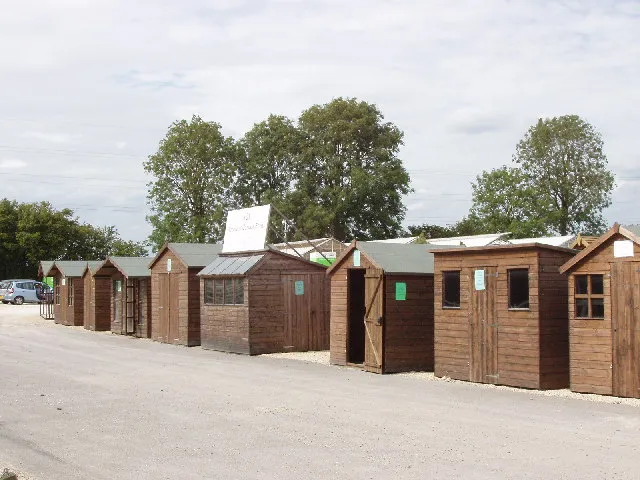
Photo: David Hawgood, CC BY-SA 2.0, via Wikimedia Commons
Nobody breaks into a shed because it is difficult. They break in because it is quicker than the next shed along. That single sentence is the whole of shed security: you are not building a fortress, you are buying time and making noise, and you are making your garden the less attractive option.
With that in mind, here is the layered approach — cheapest and most effective first, shiny and marginal last.
Start by valuing what is actually in there
Before buying anything, add up the contents. Cordless drills, batteries, a mitre saw, a decent bike, a mower, a pressure washer — it mounts up fast and most of us underestimate it by half.
A rough rule that holds up: spend somewhere between 5% and 10% of the contents value on security, and never more than the excess on your insurance policy. A shed holding a fork and a half bag of compost does not need an alarm. A shed holding £2,000 of tools should not be defended by a hasp and staple from a bargain bin.
Layer one: make it not worth the effort
The cheapest upgrade is a change of habit. Take removable batteries indoors. Lock the bike in the house. Keep the expensive drill in a locked steel cabinet bolted inside the shed, so that a thief who gets in still has to solve a second problem in the dark with a torch in their teeth.
Then record everything. Photograph each tool, note the serial numbers, mark the casing with your postcode and house number in UV pen, and register the items on Immobilise. It costs nothing, it takes an hour, and it is the difference between a police report and a recovery.
Layer two: the door
Every realistic shed break-in goes through the door, and usually through the weakest part of it. Sort this before anything else.
- Hinges. If the pins are visible from outside, a chisel and hammer will have the door off in under a minute. Fit hinge bolts, or replace the hinges with security types, or bolt through with coach bolts and dome nuts so the fixings cannot be undone from outside.
- The hasp. A cheap hasp is a lever. Fit one with a shielded staple — a steel cowl over the staple so bolt croppers and hacksaws have nothing to grip — screwed or bolted through the frame, not just into 12mm cladding.
- The padlock. Closed-shackle, brass or hardened steel, at least 60mm, and look for a Sold Secure or CEN grade rather than a picture of a padlock on the packet. A £25 lock on a £10 hasp is money wasted.
- The frame. Where the lock meets the door, add a steel plate or a length of hardwood behind the fixings. On thin T&G doors this is the difference between a pry bar bouncing off and a pry bar winning.
If you want to go further, a shed mortice lock or a garage-style door lock gives you a second, independent point of failure for a thief to deal with.
Layer three: keep the shed on the ground
A surprising number of sheds are simply lifted, tipped or dragged open. Ground anchors are cheap — £20 to £40 — and take twenty minutes to fit: a steel eye set into a concrete base or a ground screw, connected to the shed frame with a chain and a closed-shackle lock. Bolt the frame down to the base at the corners as well, and swap visible screw heads for clutch-head or security screws where it does not make future maintenance miserable.
Layer four: glazing
Windows are the second front. A single pane of horticultural glass is a formality.
Options, in order of value: fit acrylic or polycarbonate instead of glass, fixed with security screws; apply a security film to existing glass so it holds together when struck; add a simple internal grille on a shed that matters; or, best of all, arrange the shed so nothing valuable is visible through the window. Thieves do window-shop. A shed with a mower on display and a window beside it is advertising.
Layer five: the bits nobody mentions
Roofs. A cheap felt roof can be slit open with a knife in seconds, and plenty of break-ins come in from above. If your shed has a flimsy roof, keep high-value items away from it and consider an OSB or ply lining on the inside of the walls — it turns a two-minute job into a twenty-minute one that makes a lot of noise.
Gates and access. A six-foot gate with a lock on the alley side is doing more for your shed than any gadget attached to it. Look at your garden the way a stranger would: where would you stand to work undisturbed?
Layer six: light and noise
A dusk-to-dawn light plus a PIR flood on the shed is the best value-for-money deterrent in the whole list. Around £25 to £40 for a decent LED unit, or a solar version if you have no power out there. Fit it so that it lights the approach, not the inside of your neighbour's bedroom — light nuisance complaints are real, and a badly aimed flood is a nuisance.
Noise is the second half of deterrence. A battery-powered shed alarm with a contact sensor and a 110dB siren costs £25 to £60, sticks on in ten minutes, and is loud enough to send most opportunists away. A dummy alarm box is cheaper, but anyone who does this for a living can spot one from the path.
Layer seven: cameras, honestly
Cameras are evidence, not prevention. They rarely stop a break-in and they are only worth it if they are positioned to capture a face at the door and you are prepared to review the footage. Budget £60 to £150 for a decent wireless camera, expect a subscription for cloud storage, and be careful about pointing it at anything that is not your property.
What is not worth your money
Bars over every window on a shed worth £400. A chain with no lock body. Trip-wires and homemade deterrents that will hurt you or the postman more than anyone else. DIY mains electrics to a garden light, which is how sheds burn down. And anything that makes the shed harder for you to use than for someone to break into — if the padlock is so awkward you leave the door unlocked, you have spent money on nothing.
Check your insurance before you need it
Most home policies cover outbuildings, but many cap it — commonly somewhere between £1,000 and £2,500 — and some require specified locks or exclude theft without forced entry. Two minutes with the policy document tells you whether the £200 you are about to spend is protecting your tools or protecting your insurer. Keep receipts and photographs somewhere other than the shed.
The order of work
Clear the valuables out and mark what stays. Fix the hinges and the hasp. Fit a proper closed-shackle padlock. Anchor the shed down. Deal with the glazing. Add a PIR light, then an alarm. Then, and only then, think about cameras.
Do that and your shed stops being the easy one on the street — which, in a British garden on a wet Tuesday night, is very nearly the whole battle.