The Last Good Corner: Siting a Shed When Your Garden Has Other Ideas
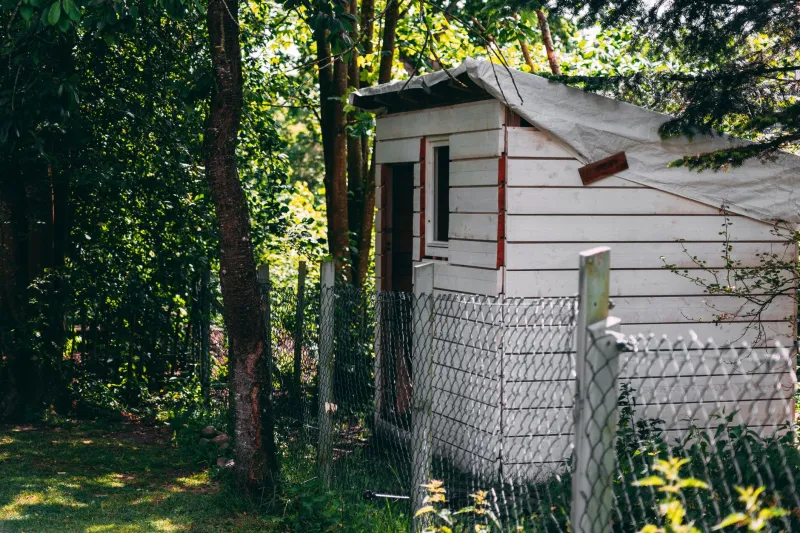
Every garden has a spot that looks like it was made for a shed. It is usually flat, tucked out of the way, and conveniently close to the fence. It is also, quite often, the dampest corner of the plot, awkward to wheel a barrow into, and visible from next door's kitchen window. Siting a garden building is less about finding the perfect patch and more about choosing the compromise you can live with for the next decade.
Start with a rough sketch, not a brochure
Before you fall for a particular shed, spend half an hour drawing your garden as it actually is. Mark the house, the boundaries, the doors you use, the paths, the tap, the greenhouse, the bins, the mature shrubs and the clothes line. Add a north arrow. It will not be architectural, but it will stop you from siting a workshop where the only sensible route for a wheelbarrow is through the rhubarb.
Walk the garden at three times of day if you can: morning, early afternoon and late afternoon. Note where the sun lands and where the shadow sits. In a small UK garden, a building that looks charming in July can become a dark, clammy box by February. Equally, a spot in full southern sun can turn a summer workshop into a greenhouse. The aim is not maximum sun or maximum shade; it is a site you can manage.
Follow the water before you follow the sun
After a decent spell of rain, put your boots on and look at where water actually goes. Not where it ought to go — where it pools, streaks and lingers. Low corners, heavy clay, the runoff from a neighbour's gutter and the drip line of a big tree all matter more than a pleasant view of the border.
A shed needs a base that drains, and it needs air moving around it. If the chosen spot holds water after rain, plan to raise the base or improve the drainage before the building arrives. Do not wedge a timber shed tight against a fence with no gap for airflow; that is how you create a permanently damp back wall and a maintenance job you will resent. Leave a working gap, even in a small garden. You will need it for painting, checking for rot and clearing leaves.
The wind you do not notice until January
The UK's prevailing south-westerly is not a polite breeze. It arrives with rain at an angle, finds the gap under roof felt and tests every fixing. Think about which way the door and any window will face. A door directly into the prevailing wind is unpleasant to use and more likely to let water in. But do not sacrifice sensible access just to avoid the weather; a door that faces the house but opens onto a narrow, muddy strip is not a win.
Exposed corners of a garden feel different from sheltered ones. If the only available spot is a wind tunnel between a wall and a hedge, consider a more robust construction, a smaller roof overhang or extra bracing. Wind is not just a winter nuisance; it drives rain into places you would rather keep dry.
Access is a design decision
It is easy to site a shed for its looks and forget how it will be used. How will the panels or the assembled building reach the spot? Will a delivery driver be able to get through the side gate? Can you carry a sheet of plywood in without taking out the climbing rose? If you plan to run power later, is there a route for a cable that does not involve lifting half the patio?
Leave a path you can actually use. It does not have to be a grand paving scheme, but a firm, level route to the door makes a shed feel part of the garden rather than an outpost. In a cramped plot, a metre of clear space in front of the door is worth more than an extra half-metre of floor area inside.
What the neighbours will see
A shed is a garden building, but it is also a structure that can block light, overlook a seating area or loom over a fence. Stand at the proposed spot and look back at neighbouring windows. Then imagine the view from their side. In many cases permitted development rules give you room to manoeuvre, but good siting is about more than the letter of the rules.
A little screening — a trellis, a shrub, a carefully placed roof line — can take the edge off. Avoid putting the building where it will overshadow next door's greenhouse or plunge their patio into shade at 4pm. You do not need permission for courtesy, and it tends to pay back.
Shade, heat and the workshop compromise
If the shed is for storage and the mower, shade is usually welcome. If it is a workshop or garden office, light matters. Morning sun is often kinder than late-afternoon sun, which can make a small room uncomfortably warm even in spring. A tree that gives dappled shade in summer may also drop leaves into gutters and keep the roof damp through autumn.
There is no universal answer. A shaded site needs excellent ventilation, a raised base and a watchful eye for mould. A sun-baked site needs insulation, blinds or an opening window that catches a breeze. Decide which problem you would rather manage, because you will be managing one of them.
Leave room for the version of you who wants a bigger shed
Garden buildings have a habit of filling up. The six-by-four that seemed generous becomes cramped once the bike, the seed trays and the tool chest move in. If the plot allows, leave a little breathing room on one side — enough for a future extension, a lean-to log store or simply a route to clean the gutters. Do not box the building in with a fence on three sides and a patio on the fourth unless you are certain you will never need access.
A short site survey before you commit
- Draw the garden and mark north, paths, doors and boundaries.
- Check the ground after rain: where does water sit?
- Watch the sun at three times of day.
- Note the prevailing wind and any obvious wind tunnels.
- Measure the delivery route and the turning space.
- Stand at neighbouring windows and imagine the view.
- Leave a maintenance gap from fences and hedges.
- Plan a route for power now, even if you are not ready for it.
The best spot in an awkward garden is rarely perfect. It is the one with the fewest permanent problems. Paint, insulation, shelving and security can all be improved later. Drainage, access and the direction your door faces are much harder to fix once the base is down. Choose the corner that gives you options — and the shed will earn its place.