Covered or Not? What Your Home Insurance Really Says About the Shed
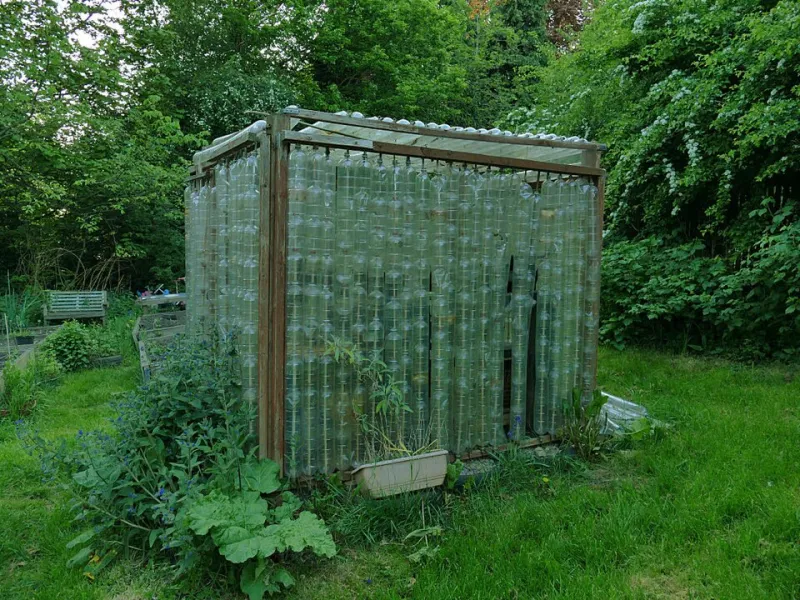
Photo: Stephen Craven , CC BY-SA 2.0, via Wikimedia Commons
There's a quiet assumption sitting at the bottom of most British gardens: that the shed is somehow part of the house, insurance-wise. The bricks and mortar policy covers the building, the contents policy covers the stuff, and the shed is just... there. Tucked under the same umbrella.
Sometimes that's broadly true. Sometimes it isn't, and the gap between the two is where people get caught out — usually in January, in the rain, after a break-in or a storm, when they're already having a bad week.
This isn't a scare piece. Most home policies do offer something for outbuildings and their contents. The job is working out what your policy offers, because the differences between insurers are genuinely wide and the wording is not written to be friendly.
First, separate the two questions
People tend to ask "is my shed insured?" as if it's one thing. It's at least two.
The structure — the shed itself, its base, its roof, maybe a fixed workbench or shelving — sits under the buildings part of a home policy. The contents — the mower, the bikes, the tools, the camping gear, the half-finished furniture project — sit under the contents part, or sometimes under a specific outbuildings section.
These are covered on different terms, with different limits, and they fail in different ways. A shed can be covered as a building while the ride-on mower inside it is barely covered at all. That's not a loophole; it's just how the two halves of the policy are drafted.
The outbuildings limit is usually a percentage
Many UK home policies include outbuildings within the buildings sum insured, but cap them at a percentage — commonly somewhere between 10% and 20% of the total. On a £300,000 rebuild figure that sounds generous. But it's a cap across all outbuildings, not each one, and it's often measured against the rebuild cost, not the market value.
So if you've got a shed, a summerhouse, a detached garage and a bike store, they're sharing one pot. If your garden office cost £18,000 to build and your outbuildings cap is £15,000, you've got a problem before you've even opened the policy booklet.
Worth checking, too, whether the wording says "outbuildings" or "domestic outbuildings used for domestic purposes." If your shed is a workshop where you do paid work, that phrase may quietly exclude it.
Contents limits get tight, fast
This is where most shed-related claims actually fall down. Home contents policies typically apply:
- A single-item limit — often £1,000 to £2,000, and sometimes less for items kept outside the main home
- A total limit for contents in outbuildings — commonly £1,000 to £5,000, sometimes as low as £500
- Lower limits or exclusions for theft from outbuildings unless specific security conditions are met
A decent ride-on mower, a couple of bikes, a mitre saw and a decent set of hand tools will blow through a £1,500 outbuildings contents limit without trying. Add a laptop if you work out there and you're well past it.
Bikes deserve their own mention. Many policies cover them as standard contents up to a single-item limit, but require them to be in a locked building or secured to an anchor when left in a shed. Some exclude them from outbuildings entirely unless named. If cycling is a serious hobby, a named bike policy or a specific add-on is usually better value than hoping.
The security conditions aren't decoration
Nearly every policy that covers shed contents attaches conditions. Common ones:
- Forcible and violent entry — the insurer wants evidence of a break-in, not a door left open
- Locks of a specified standard — sometimes a five-lever mortice deadlock or a closed-shackle padlock
- Locked at the time of loss — including windows, and including that little top vent you never shut
- Alarms — occasionally, for higher-value contents
Fail any of these and a claim can be reduced or declined, even if the theft was genuine. It's harsh but it's contractual. The good news is that most of these are cheap to satisfy: a decent hasp and padlock, a lock on the window, a ground anchor for the bikes.
Worth reading the exact wording on locks, though — "suitable" is doing a lot of work in some policies, and insurers have been known to argue about what counts.
Documentation is the part people forget
Insurers ask for proof of ownership and proof of value. In a shed, that's harder than in a house, because receipts for tools and garden kit tend to get lost, and nobody photographs the inside of their shed.
A twenty-minute job now saves a painful argument later:
- Photograph the interior, wall by wall, with the door open
- Photograph serial numbers on anything expensive — mowers, bikes, power tools
- Keep receipts in a digital folder, or at least photograph them
- Note approximate purchase dates and values in a simple list
If a claim ever happens, that file is worth more than any clever argument about policy wording.
When a separate extension is worth it
If your shed is a plain 6x4 with a lawnmower and some paint tins in it, your home policy is probably fine. The outbuildings limit will likely cover it, and paying extra is hard to justify.
The maths changes when any of the following is true:
- The shed is a garden office with a desk, monitor, chair and other kit that adds up to several thousand pounds
- You keep expensive bikes, power tools or specialist equipment out there
- The building itself is substantial — an insulated cabin, a large workshop, anything with services run to it
- You work from it commercially, even part-time
- You're in a higher-risk area for theft, or the shed is visible from the road
In those cases, an outbuildings contents extension, a named-items schedule, or a dedicated garden office policy is usually worth pricing. It's often £50 to £150 a year on top of a standard policy — considerably less than replacing a laptop, two bikes and a mitre saw in one go.
Garden offices in particular are worth flagging to the insurer even if you don't buy extra cover. Some policies treat a building used for work differently, and non-disclosure is a reliable way to have a claim refused.
A short audit you can do this weekend
- Find the policy schedule and the outbuildings section. Note the buildings limit and the contents limit.
- Walk round the shed and list anything worth more than £200. Add it up.
- Compare that total against the outbuildings contents limit. Be honest.
- Check the single-item limit against your priciest item.
- Read the security conditions and check your locks actually match.
- Photograph everything and file it somewhere you'll find it again.
- If the numbers don't work, ring the insurer and ask what an extension costs. It's a five-minute call.
The shed rarely feels like the important part of a home policy until something goes wrong. A bit of reading now beats a difficult conversation later — and it's cheaper than replacing the mower twice.