The Hole You Can’t Undo: Picking a Shed Window Before the Walls Go Up
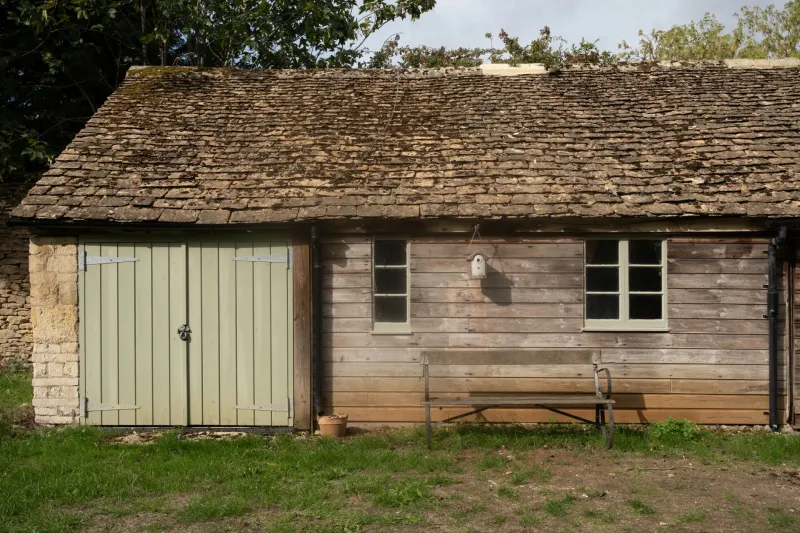
Most shed buying decisions can be fixed later. Shelves can move. A bench can be cut down. Even a dodgy coat of paint is recoverable with a free weekend and a sander. Windows are different. Once the opening is cut, framed and flashed, changing your mind is a proper job — not a quick trip to the timber merchant.
That’s why it’s worth spending an hour thinking about glazing before the walls go up. Whether you’re planning a potting shed, a DIY workshop or a garden office that has to feel less like a cupboard, the window is doing several jobs at once: letting in daylight, giving you a view, helping with ventilation, and — depending on where you put it — either improving security or quietly undermining it.
Start with the wall, not the glass
It’s tempting to choose a window by looking at glazing samples. The more useful starting point is the wall itself. What needs to happen along that stretch of shed? A potting bench wants light over the worktop, not behind your head. A workshop wants good general light without glare bouncing off a screen or a sharp metal vice. A garden office wants a view that doesn’t put your laptop on display to the whole street.
Mark out your bench heights, shelf positions and where you’ll actually stand. Then decide where the glass can go without stealing the wall space you need. A wide window can look generous in a brochure, but if it rules out a run of shelving or leaves nowhere to hang tools, it will annoy you every day.
Also think about the outside. A window facing a fence two feet away isn’t giving you much of a view. One facing a neighbour’s upstairs landing may be less private than you’d like. In the UK, low winter sun can be lovely in a shed and absolutely blinding in a home office, so a little thought about orientation goes a long way.
Size is a trade-off, not a scorecard
More glass means more daylight, but it also means more heat loss, more condensation risk, more to clean and more to secure. There’s no universal “right” size. A small, high window can be enough in a storage shed. A garden office usually benefits from a decent horizontal window at desk height. A workshop often wants a mix: good daylight over the bench and perhaps a smaller opening pane for ventilation.
Be wary of the show-home effect. Very large glazed panels can make a small garden building feel airy, but they also reduce the amount of solid wall you can use and can make the space harder to heat. If the shed will be used in winter, a more modest window in the right place usually beats a dramatic one in the wrong place.
Fixed or opening?
Fixed windows are simpler, cheaper and generally more secure. They don’t have hinges, catches or a slightly imperfect seal to worry about. If you mainly need daylight and a view, a fixed pane is often the sensible choice.
Opening windows earn their keep in workshops and sheds where condensation, dust or fumes build up. A top-hung opener is common because it can stay open in light rain, while a side-hung casement gives good airflow when fully open. But an opening window is only useful if you can actually reach it and if it doesn’t clash with a bench, a shelf or the door swing.
Don’t treat an opening window as a substitute for proper ventilation. In a small, sealed shed, one small opener won’t always shift enough moist air. If you’re drying tools, storing firewood or working in the space, plan for vents or another airflow route as well.
Glass, acrylic or double glazing?
Acrylic is light, cheap and less likely to shatter, which makes it popular for basic sheds and play-adjacent garden buildings. It does scratch, though, and it can go cloudy over time. For a low-budget shed where the window is mainly a light source, it can be perfectly adequate. For a workshop or office you’ll use regularly, glass usually feels better and stays clearer.
Toughened or laminated glass is worth considering where safety matters — near a door, at low level, or in a building used by children. Laminated glass holds together if broken, which is also a useful security property.
Double glazing can reduce heat loss and condensation on the inner pane, but it won’t turn an unheated shed into a warm room. The frame, the fit and the overall insulation of the building matter just as much. A well-made single-glazed window in a dry, ventilated shed can be fine; a poorly fitted double-glazed one will still leak warmth and let damp air find a cold spot.
Security is about position as much as locks
A shed window should not be the easiest way in. Avoid large low panes tucked behind a fence or hedge where someone could work unnoticed. If the window is visible from the house or the street, that’s a quiet security advantage. Good catches and locks matter, but so does making sure the frame can’t simply be prised open.
For valuable tools, think about what can be seen through the glass. A window that shows off a wall of power tools is a shop display for the wrong audience. Frosted film, a shelf of plant pots or a simple blind can all reduce the temptation without blocking daylight.
Condensation, draughts and the honest limits
Single glazing in a cold shed will attract condensation. That’s physics, not necessarily a fault. If the shed is unheated and packed with damp gardening kit, moisture will find the coldest surface. Better ventilation and fewer damp stored items often help more than upgrading the glass alone.
Double glazing raises the inner pane temperature, which reduces condensation, but it can also hide the fact that the shed is too sealed up. Watch for black mould in corners, musty smells and rust on tools. A window is part of the moisture management system, not separate from it.
The pre-build checklist
Before you order, decide the window’s job: daylight, view, ventilation, security or a mix. Mark the opening on the wall plan and check it against benches, shelves and door swings. Think about which direction it faces and who can see in. Choose fixed or opening based on how you’ll really use the space. Then choose glazing that matches your budget and safety needs — not just the prettiest sample.
A shed window is a small part of the build and a large part of how the finished space feels. Get it right before the walls go up, and you’ll spend less time cursing a dark corner or a draughty pane and more time actually using the shed.