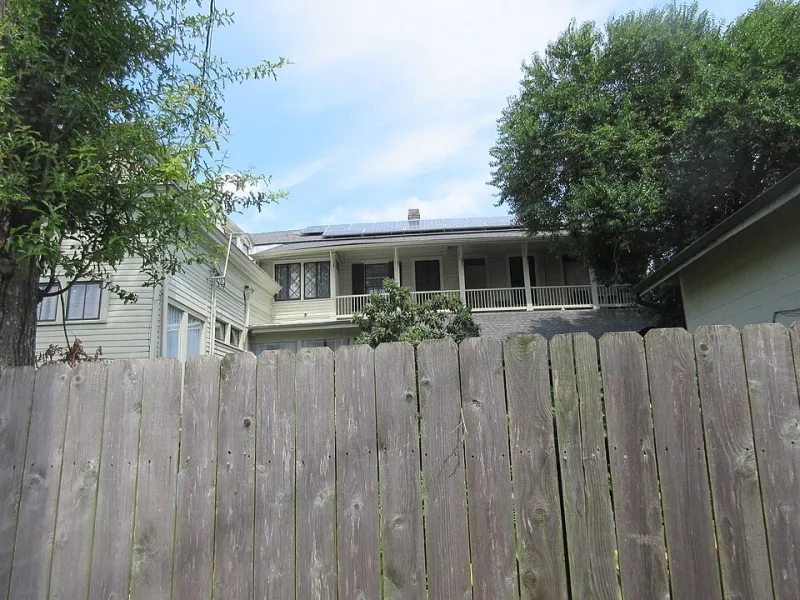
Droppings, Holes and Humming: Reading the Signs of What's Living in Your Shed
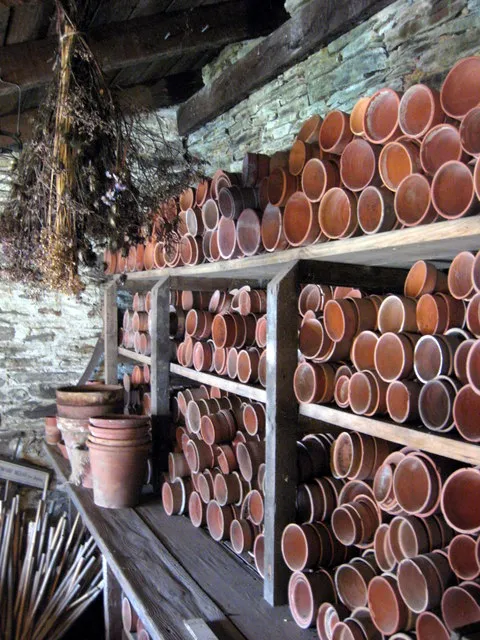
Photo: Rod Allday, CC BY-SA 2.0, via Wikimedia Commons
Open the door on a damp November morning and something has clearly been busy. A corner gnawed out of the seed sack, a scatter of small dark pellets along the shelf, and a papery grey nest tucked into the corner of the window reveal. The instinct is to be outraged, then to reach for the internet's favourite answer, which is a large tub of poison.
Both reactions are a bit much. A timber shed at the bottom of a British garden is, from a mouse's point of view, an excellent building: dry, sheltered and usually full of things worth eating. Sharing it occasionally isn't a moral failure on your part. What matters is knowing which visitors are a nuisance, which are a genuine risk to the structure or the wiring, and which you are legally obliged to leave completely alone.
Read the scene before you buy anything
Ten minutes of looking will save you a lot of guessing. Take a torch and check the corners first, because most small mammals run the edges of a room rather than crossing open floor.
House mouse droppings are small, roughly 3 to 6mm, dark, and pointed at the ends. Rat droppings are longer and blunter, more like a fat grain of rice. Fresh ones are soft and dark; old ones go hard and grey. Along the base of the wall you may find smears of grease where rodents have brushed past, and if you keep anything dry and edible out there you'll usually find the chewed corner before you find the animal.
Look up as well. A grey, papery wasp nest under the ridge or above the door is built from chewed wood, quite possibly your own cladding, and you can sometimes see pale scrape marks on the fascia where the workers have been harvesting. Hornets do the same with a bigger, browner nest, and they are considerably more relaxed about people than wasps are, but a nest directly over a doorway is still a problem in August.
Then check the timber, particularly joists, the bottom of the door, and the back of the cladding where it stays damp. Woodworm shows as small round exit holes one or two millimetres across with a fine, floury dust beneath them. In a shelf or an old handle, ignore it. In a structural joist that is also damp, get someone to look.
The ones you can leave alone
Spiders, harvestmen, the odd overwintering ladybird, cluster flies in the corner of the window, a peacock butterfly folded into the gap behind a shelf: none of these are doing damage. In fact they are a rough indicator that your shed is dry enough for something to survive in, which is more than can be said for plenty of buildings. Sweep them out if they bother you and move on.
Slugs and snails are a nuisance rather than a threat, and they are usually a sign of something damp sitting on the floor: a stack of cardboard, a bag of compost, a leaking gutter at the back corner. Fix the damp and they mostly lose interest.
The ones worth acting on
Three things justify proper action rather than a shrug.
The first is gnawed cable. Rodent damage to flex or twin-and-earth is a genuine fire risk, and it is the one thing in this article that gets worse if you ignore it. If you find tooth marks on any cable, isolate that circuit until an electrician has seen it.
The second is rats. They are bigger, bolder, more likely to damage stored goods and structures, and they carry things you would rather not have near a space you use every day. Rats need a gap of about 12mm to get in; mice need roughly 6mm, which is why mouse-proofing a shed is such an exercise in patience.
The third is damp timber plus woodworm in anything load-bearing. Beetles like softwood that has stayed wet. The insect is often the symptom; the leaking gutter, the tired roof and the soil level against the cladding are usually the cause.
What you must not touch
Bats are protected in the UK, and so are nesting birds. If you find droppings under the ridge that crumble to a fine powder of insect wings, or see a bat squeezing out at dusk in summer, stop. Bats and their roosts are legally protected and disturbing them can be a criminal offence; the same applies to swallows with a nest in use. Work outside the season, or ask your local wildlife trust for advice. This is not the moment to be brisk with a broom.
A prevention routine that doesn't need poison
Prevention here is mostly about removing the three things every pest wants: food, water, and shelter close to a wall.
Metal bins, not sacks, for birdseed, fat balls, pet food and anything else edible. Cardboard is food and bedding in one, so don't store it. Keep bags and boxes off the floor on a pallet or a shelf at least 150mm up, so you can see what is happening underneath. Sweep out monthly, because grass seed, spilled compost and biscuit crumbs all count.
Then look at the outside. A clear strip of 300 to 500mm between the shed wall and any log pile, compost heap or long grass makes a real difference, because cover is what makes a shed worth approaching. Trim branches back so they don't overhang the roof. Mesh the air vents, but keep them open, because a sealed shed is a damp shed.
On the fabric of the building, seal gaps over 6mm along the base, around the door frame and where services come in. Stainless steel mesh plus a decent sealant lasts; expanding foam on its own doesn't, because a determined mouse will pull it out.
If you do decide to use poison
Rodenticides do not stay where you put them. Anticoagulants work their way up the food chain, and the animals that pay for it are often owls, kestrels and cats. If you have to use them, use them in a secured, labelled bait station, never as loose bait, and follow the Campaign for Responsible Rodenticide Use guidance.
In practice, a tunnel box with a snap trap set along a wall and checked daily deals with a small mouse problem faster and with less collateral damage. Glue boards and homemade concoctions are not worth the trouble.
Two dates in the diary
Mice move indoors as the nights draw in, so the useful check is late September through November: walk the outside, seal what you can, get the seed into metal. Then again in spring, when wasps are starting new nests under the eaves and birds are looking for ledges. Ten minutes at each end of the year is the whole routine.